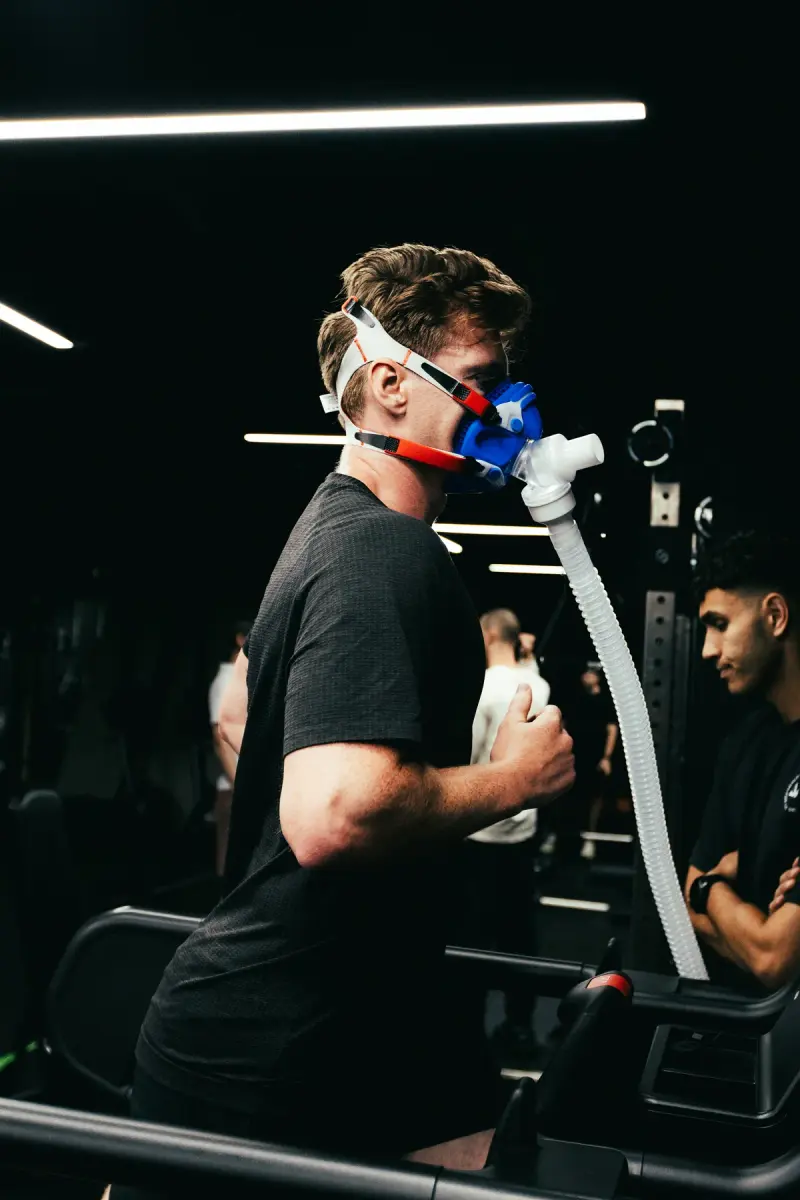
Blood Lactate Analysis · London
Blood Lactate Threshold Testing in London
A progressive running or cycling test to identify lactate thresholds and set individual heart rate, pace or power training zones.
- Price
- £160
- Duration
- 1 hour
- Locations
- Liverpool Street · Marylebone · Canary Wharf
Lactate thresholds and training zones.
Small fingertip blood samples are taken as running speed or cycling power increases. The results show how blood lactate changes with effort and help set the intensities for easy sessions, tempo work and threshold training.
01Blood lactate curveHow blood lactate changes as running speed or cycling power increases.
How we measure it
A small fingertip blood sample is analysed at the end of each three-minute stage. We record the result alongside heart rate, speed or power, and perceived effort.
Why it matters
The curve shows your response across a range of intensities. It also provides a baseline for comparing results after a training block.
02First lactate threshold (LT1)A guide to the intensity of easier aerobic training.
How we measure it
We look for the first sustained rise in blood lactate above the baseline established during the easier stages.
Why it matters
LT1 helps set the upper intensity for easy sessions and guide the effort of longer runs and rides.
03Second lactate threshold (LT2)A reference for sustained, higher-intensity work.
How we measure it
Estimated from the shape of your lactate curve and reviewed alongside the heart rate, workload and perceived effort recorded during the test.
Why it matters
LT2 helps set targets for threshold sessions and distinguish tempo work from harder intervals.
04Training zonesIndividual heart rate zones, with running pace or cycling power.
How we measure it
We use your threshold results to set training zones for the discipline tested.
Why it matters
The zone table gives specific intensity ranges to use when planning easy, tempo, threshold and interval sessions.
05Your reportThe results, explained and ready to use in training.
How we measure it
Your lactate curve, results from each stage, both threshold estimates and a table of training zones are brought together in a written report.
Why it matters
We discuss the findings at your appointment. The report can then guide your own training or be shared with your coach.
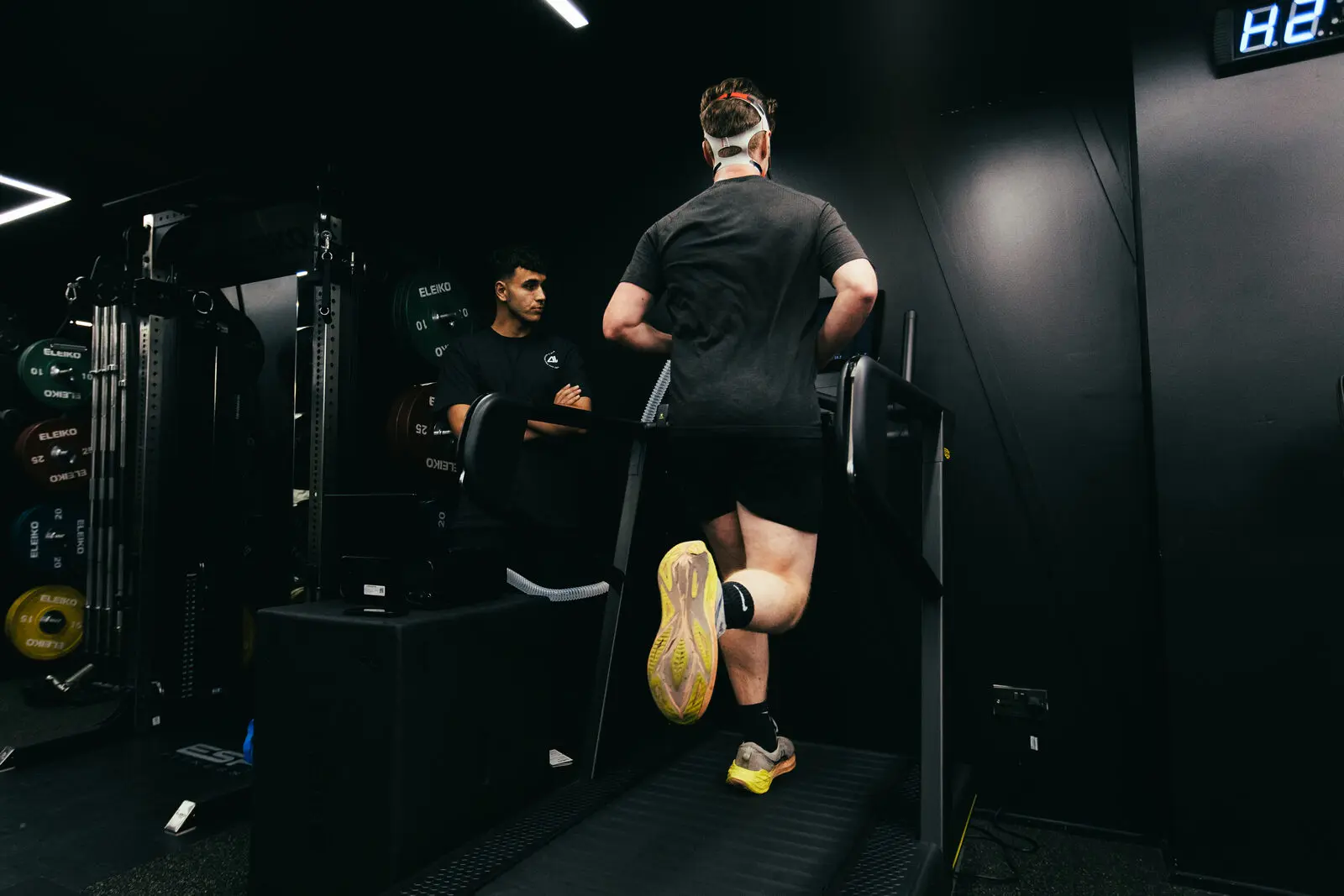
Each blood lactate reading is recorded alongside heart rate, speed or power, and perceived effort.
Measured with
- ARKRAY Lactate Pro 2 blood lactate analyser
- Heart-rate monitor
- Treadmill or cycle ergometer
On the day
What happens at the appointment.
Allow one hour for the test and a discussion of your results.
- 01
Training background
We discuss your current training and goals, then choose a starting speed or power suited to your fitness.
- 02
Warm-up
A heart-rate monitor is fitted before an easy warm-up on the treadmill or bike.
- 03
The lactate test
Intensity increases in three-minute stages, with a small fingertip blood sample taken between stages. Testing continues until we have readings across both threshold regions.
- 04
Results and report
After a cool-down, we go through your lactate curve, thresholds and training zones. Your written report is sent by email within 24 hours of your assessment.
For runners, cyclists and triathletes.
Useful before a new training block, in preparation for an event, or when reviewing progress.
Suited to
- Setting individual zones for a structured training plan
- Reviewing the intensity of easy and threshold sessions
- Planning pacing for a marathon, triathlon or endurance event
- Comparing results before and after a training block
Choose running or cycling for your appointment. Your results and zones apply to the discipline tested.
Questions about blood lactate testing.
Blood Lactate Analysis costs £160 and takes 1 hour. The price includes the test, a discussion of your results and a written report with your lactate thresholds and training zones.
DVOTION Labs offers Blood Lactate Analysis at UNTIL Liverpool Street, 280 Bishopsgate, London EC2M 4RB; UNTIL Marylebone, 1 Orchard Street, London W1H 6HJ; and UNTIL Canary Wharf, 30 South Colonnade, London E14 5HX. Choose your location when booking.
Eat normally beforehand and finish your last meal approximately four hours before your assessment. Water is allowed. Avoid deliberately changing your usual carbohydrate intake before testing: pre-test nutritional state can alter the blood-lactate response at a given workload, so standardising it is what makes two assessments comparable. Arrive well hydrated and well rested, avoid intense training the day before, and bring the kit and shoes you train in. If you are retesting, replicate your previous pre-test meal and its timing as closely as practical.
The test starts at a comfortable running speed, chosen from your training background. Speed increases by 1 km/h every three minutes at a constant 1% gradient. Between stages, you step onto the side rails while we take a small fingertip blood sample. The number of stages depends on your response.
The early stages are easy and the later stages become demanding. The aim is to collect readings below and above your lactate thresholds, rather than to continue to exhaustion. You can ask to stop at any point; stopping early may limit the results we can report.
Each sample involves a brief fingertip prick, similar to a blood glucose test. We explain the process before starting and take the samples between exercise stages.
LT1 is identified from the first sustained rise above your lower-intensity baseline. LT2 is estimated using Modified Dmax and reviewed against the full set of stage results. A fixed value such as 4 mmol/L is a reference concentration, not a threshold that applies to every athlete.
Yes. Choose a treadmill test for running pace and heart rate zones, or a bike test for cycling power and heart rate zones. The results apply to the discipline tested. Runners and triathletes who also want cycling zones need a separate cycling assessment.
Yes. There is no requirement to take coaching with DVOTION. Your report includes the results, thresholds and training zones to use yourself or share with your coach.
Retesting after a training block can show how your lactate response and threshold pace or power have changed. We can discuss timing around your training and events. Use the same discipline and similar preparation so the results can be compared.
Your written report is sent by email within 24 hours of your assessment.
Book Blood Lactate Analysis.
- Price
- £160
- Duration
- 1 hour
- Locations
- Liverpool Street · Marylebone · Canary Wharf
Where
- UNTIL Liverpool Street280 Bishopsgate, London EC2M 4RB
- UNTIL Marylebone1 Orchard Street, London W1H 6HJ
- UNTIL Canary Wharf30 South Colonnade, London E14 5HX
All three sites operate by appointment. Your location is selected when you book.